Publication 42 · Wind-farm flow
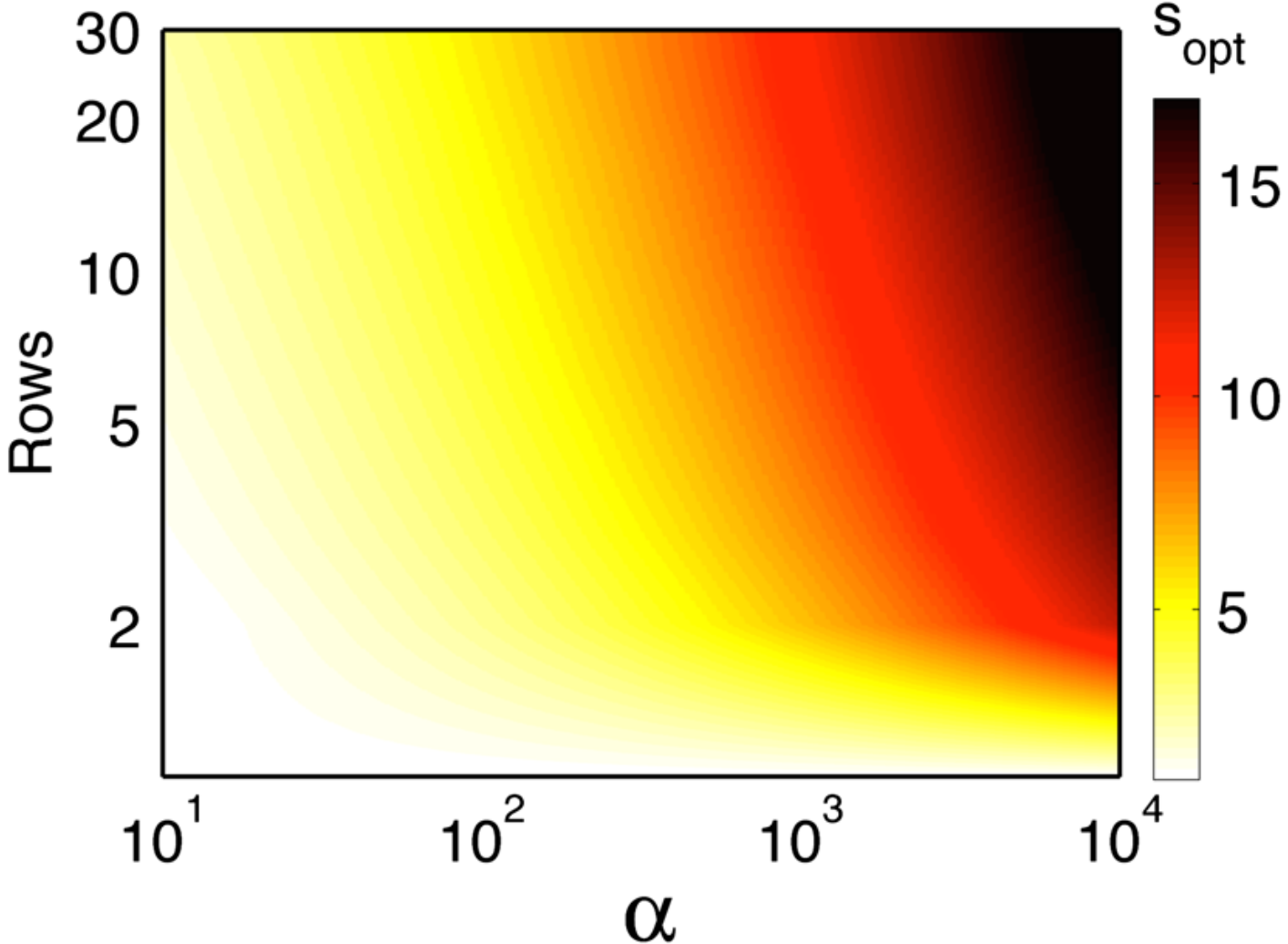
Dependence of optimal wind-turbine spacing on wind-farm length
R.J.A.M. Stevens, Wind Energy 19 (4), 651-663 (2016).
Read the article Open-access version
Main finding
The diagnosed IBL height is defined by recovery of vertical kinetic-energy flux to 99% of inflow, constrained above the rotor, and fitted with coefficient near 1/3 and a maximum near 850 m. The model agrees best with staggered LES because horizontal averaging cannot encode row-to-row placement; agreement with operating-farm directional data is indicative, not decisive validation.
Why this matters
Supports “optimal spacing increases with farm length under the stated objective.”.
Research context
Longer farms place more weight on fully developed momentum replenishment and therefore favor lower turbine density; shorter farms exploit high entrance production. This is a conditional reduced-model result, not a general design prescription.
View in the complete publication list Related wind-farm research